

Chaves city centre is a compact place to explore on foot, with a Roman bridge over the Tâmega, Roman Baths and historic streets among its sights. The Petrus Hotel is about a three-minute walk from the centre, making it easy to start a city walk there.
- Walking route: 2.1 km, estimated at 30 minutes on foot
- Route highlights: Roman bridge, Roman Baths, Rua Direita and the medieval castle keep
- Roman Baths Museum: free admission; opening hours vary by season
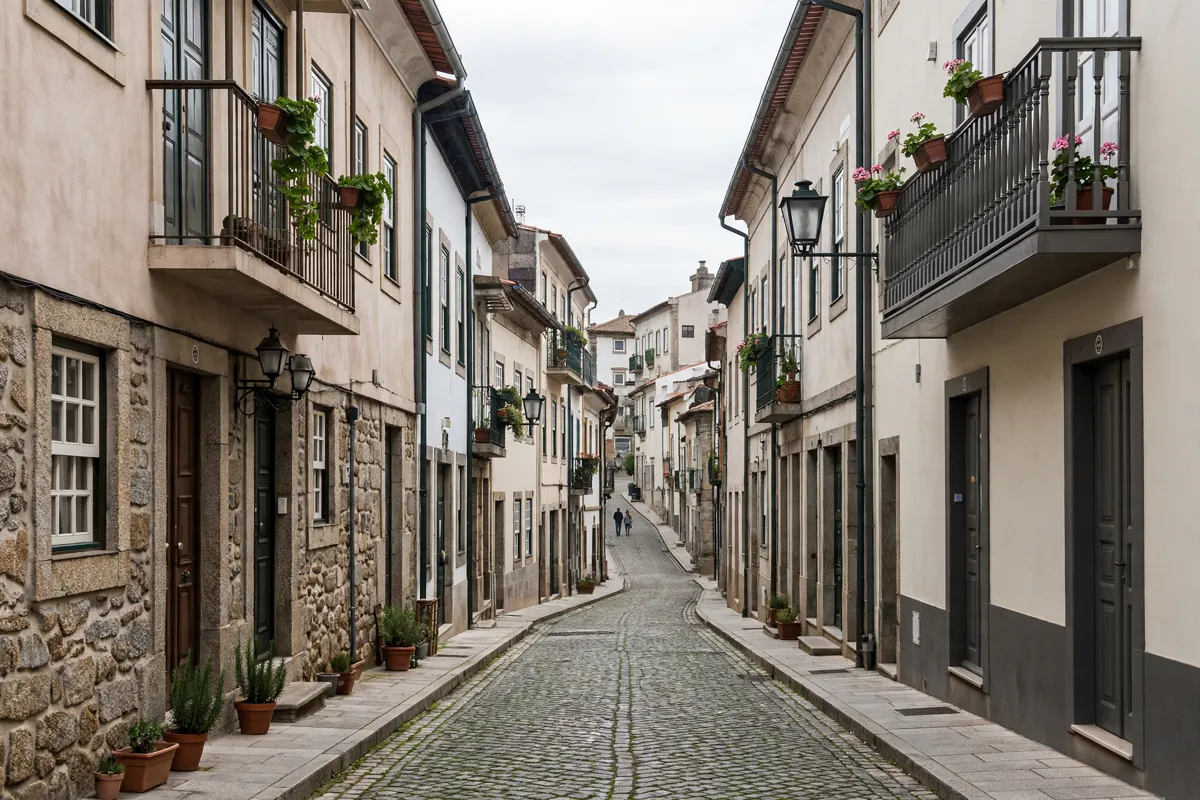
Starting a walk in central Chaves
A 2.1 km urban route connects central Chaves’s main historic sights in an estimated 30 minutes of walking. You can follow it on foot or by bicycle, and it is described as suitable for a walk with children.
Begin at the Roman bridge, then continue to the Roman Baths and the balconies of Rua Direita. The route goes on to the Pelourinho, Santa Maria Maior Church and Misericórdia Church, before passing the Flaviense Region Museum, municipal offices and castle keep. The sequence gives you a clear way to see several landmarks without doubling back.
Expect cobbled streets and gradients in the historic centre, which can affect walking comfort. If you need an accessible route or specific assistance at the Roman Baths Museum, contact the museum before your visit to confirm what is available.
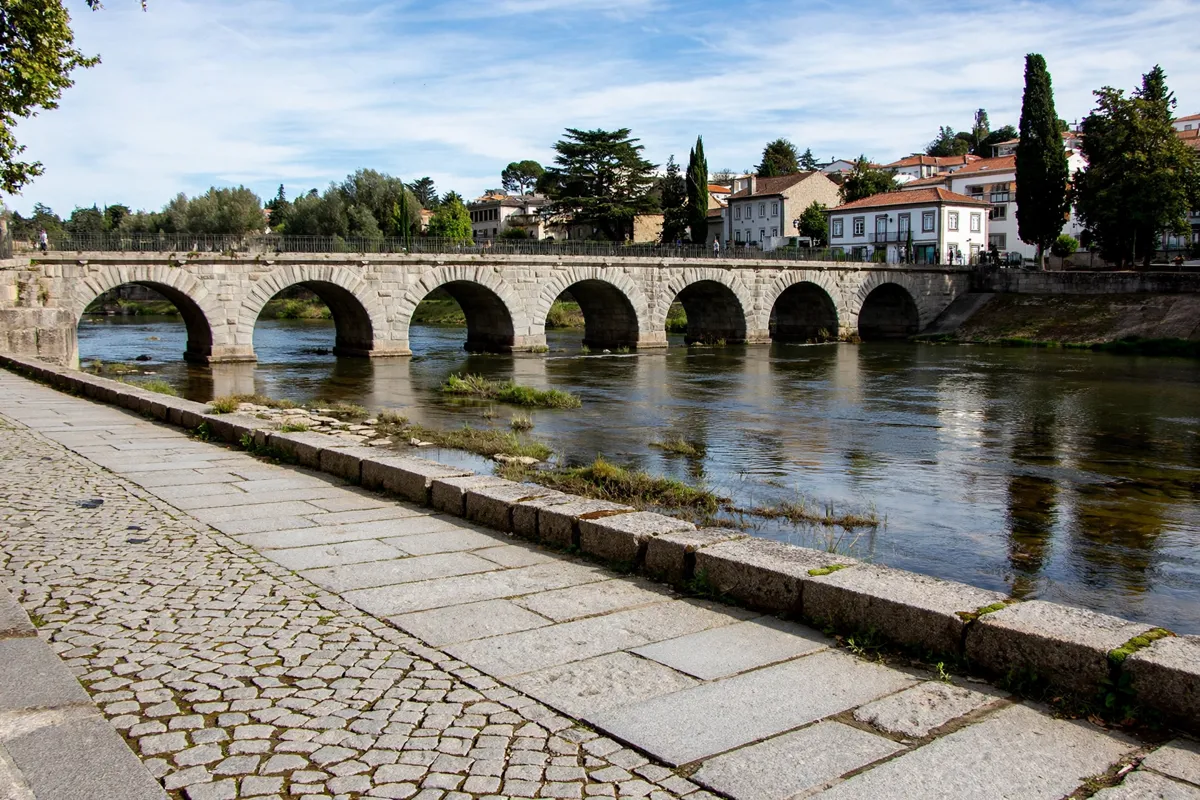
The Roman bridge and riverfront
Trajan’s Bridge crosses the River Tâmega and anchors a walk between Chaves’s historic centre and its riverfront. Portugal’s national tourism site dates its completion to the end of the first century or the beginning of the second, under Emperor Trajan.
After crossing or viewing the bridge, continue along the riverside routes around Alameda do Trajano or by the pedestrian bridge and public garden. The riverfront and public garden offer a change of scene from the cobbled streets inland.
If you want more background before setting out, the guide to Ponte de Trajano focuses on the bridge and its place in Chaves.
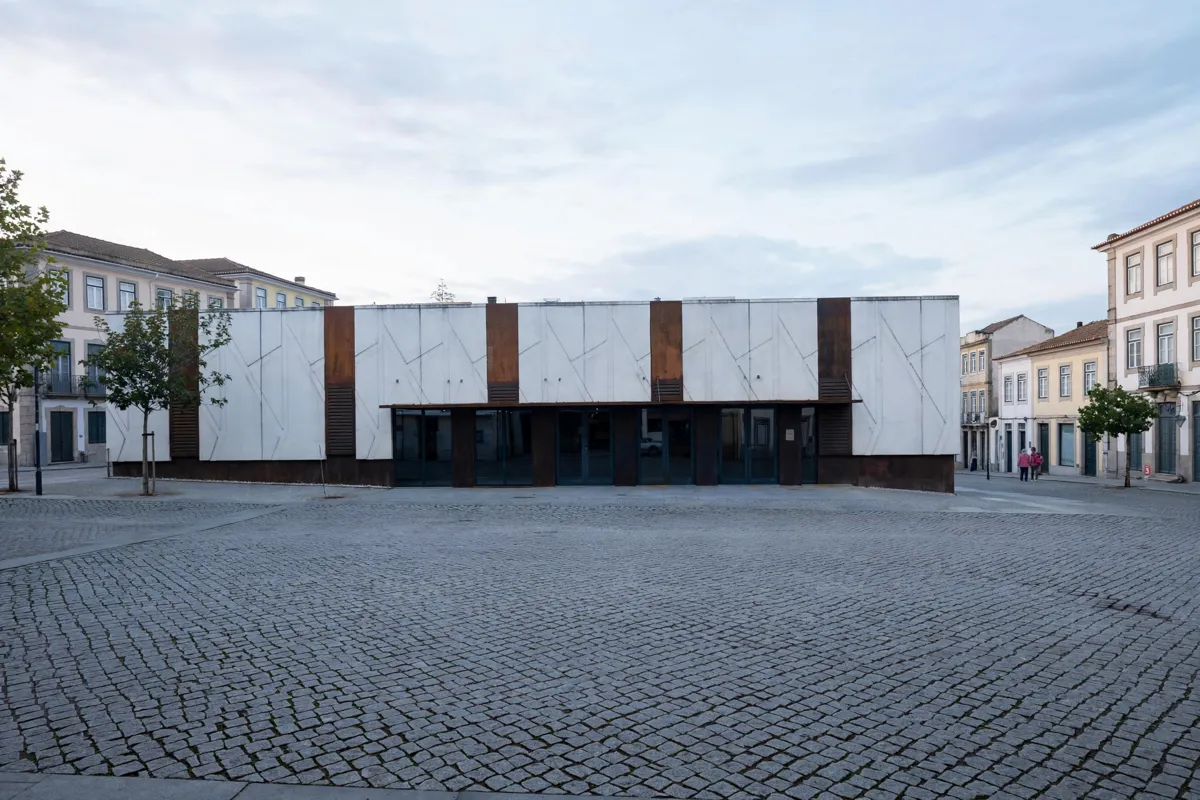
Roman Chaves and the museum
The Roman Baths Museum presents a medicinal thermal complex associated with hot springs, pools and hydraulic features. Excavations that revealed the complex began in 2006, and the museum space opened to the public in 2021.
The museum is at Largo do Arrabalde, 5400-093 Chaves. Admission is free, and it is open Tuesday through Sunday. From October through March, hours are 09:30–13:00 and 14:30–18:00; from April through September, hours are 10:00–13:00 and 14:30–18:30. Hours and admission details can change, so check the official site before you go.
The Flaviense Region Museum occupies a 15th-century building that once served as the Palace of the Dukes of Bragança. Praça de Camões is another useful point on the walk: the town hall, Paço dos Duques de Bragança, Misericórdia Church and Santa Maria Maior Church can all be viewed from the square.
For a closer look at the archaeological site and its visit details, see this visitor guide to Museu Termas Romanas de Chaves.
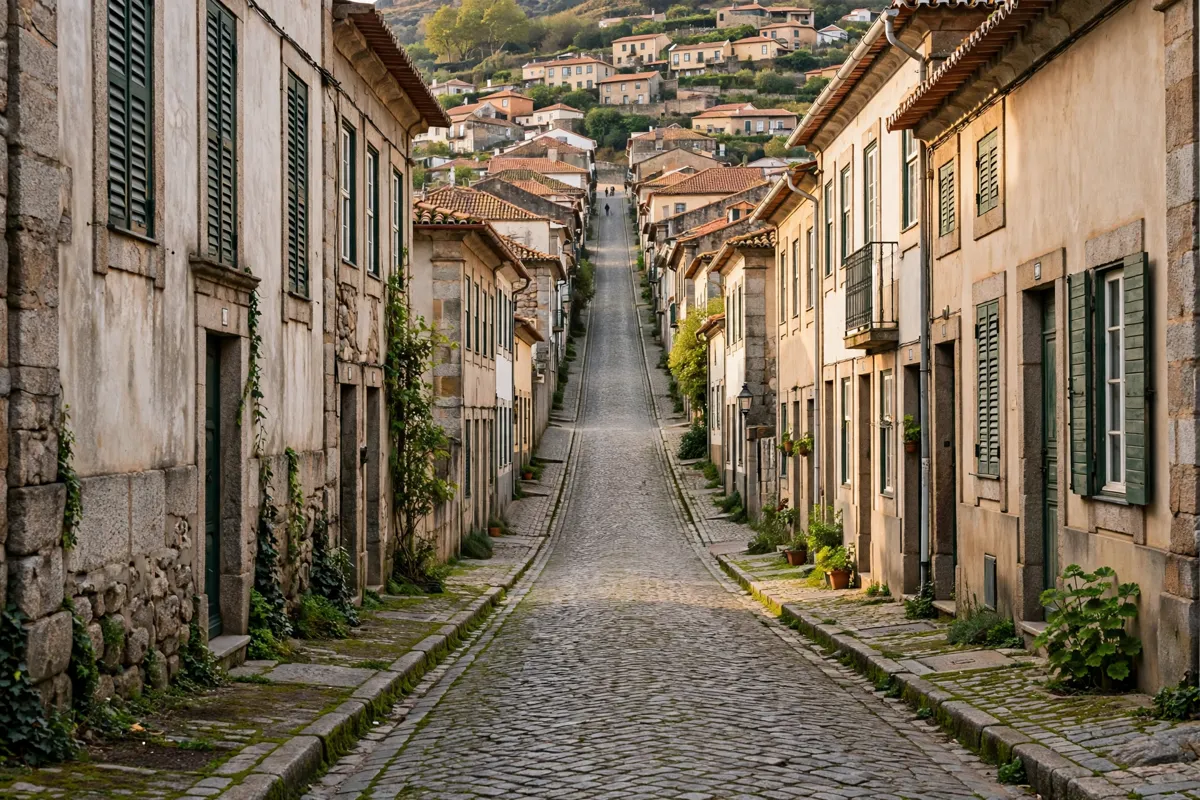
Forts and historic streets
Chaves’s medieval castle keep and its 17th-century forts add later layers to the city’s history. The keep was built by King Dinis in the 13th century, while São Francisco and São Neutel are 17th-century fortifications.
On the central walking route, the castle keep follows the Flaviense Region Museum and the churches. The Military Museum is inside the keep. For a broader look at the fort and its setting, the guide to Forte de São Francisco covers what to know before visiting.
To combine the historic streets with a quieter stretch, finish by the public garden and Tâmega riverfront. The city’s sights range from Roman remains to military architecture, so the route gives you a sense of Chaves across several periods without leaving the centre.
FAQs
How long is the Chaves city-centre walking route?
The published urban route is 2.1 km and has an estimated walking time of 30 minutes. It passes the Roman bridge, Roman Baths, historic streets, churches, museum and castle keep.
Is admission to the Roman Baths Museum free?
Yes, admission is free. Check its official site before you go for current visitor details.
What should I know about walking in Chaves’s historic centre?
The centre has cobbled streets and gradients, which may affect walking comfort. Contact the Roman Baths Museum in advance to confirm accessible routes or specific assistance.