

Forte de São Neutel is a 17th-century fortification in Chaves, built during the Portuguese Restoration Wars to reinforce the region’s defences. Its star-shaped granite design and place in the city’s military heritage make it a worthwhile stop for anyone interested in fortifications in Chaves.
- Location: Santa Maria Maior, Chaves
- Address: Avenida Heróis de Chaves, 5400-302 Chaves
- Design: Star-shaped plan, two defensive lines and an internal moat
- Access: Check current visitor arrangements before planning a visit
Getting to São Neutel
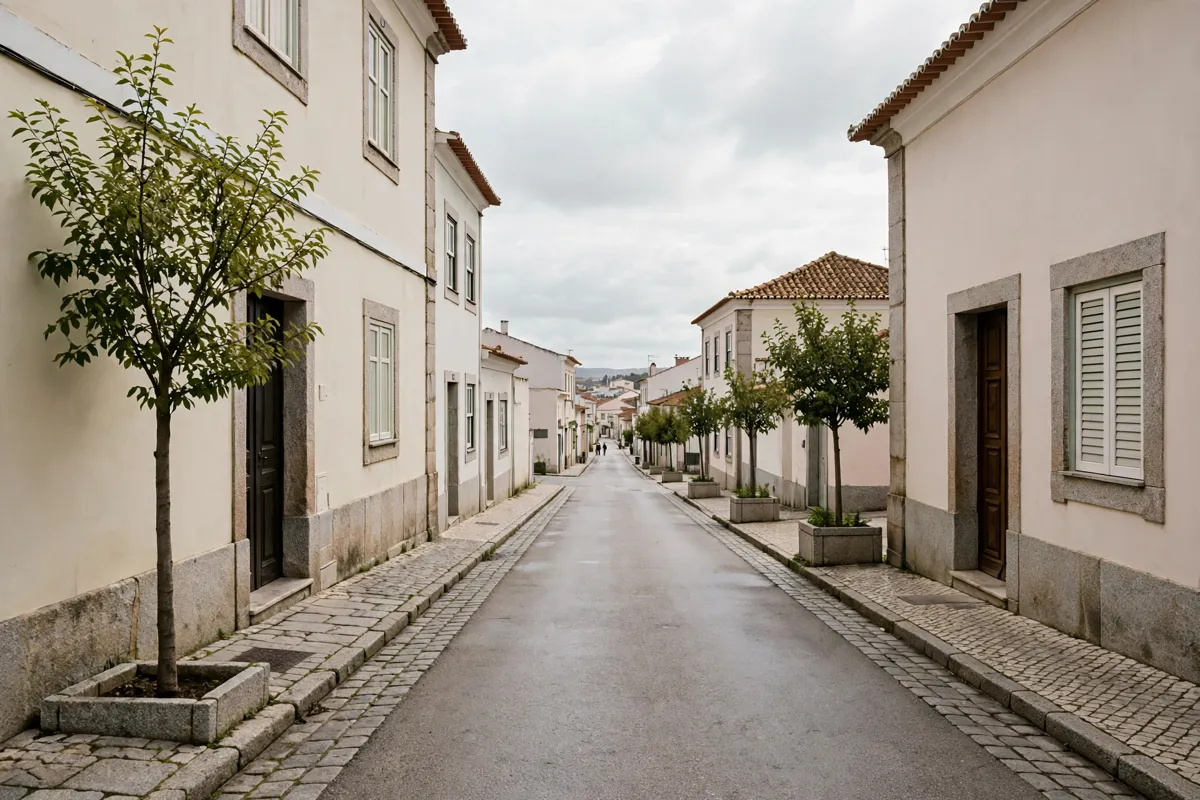
Forte de São Neutel is in the parish of Santa Maria Maior, on Avenida Heróis de Chaves. From Petrus Hotel, it is about 1.3 km away, a walk you can use to approach the fort through the city rather than treating it as a stop outside Chaves.
For a broader route through the historic streets, pair the visit with this walking guide to Chaves city centre.
The fort in Chaves’s defensive history
São Neutel was built to strengthen Chaves’s defences during the Portuguese Restoration Wars. Construction began around 1664; a Portuguese government defence-resources directorate gives the construction period as 1664 to 1668, under General Andrade e Sousa.
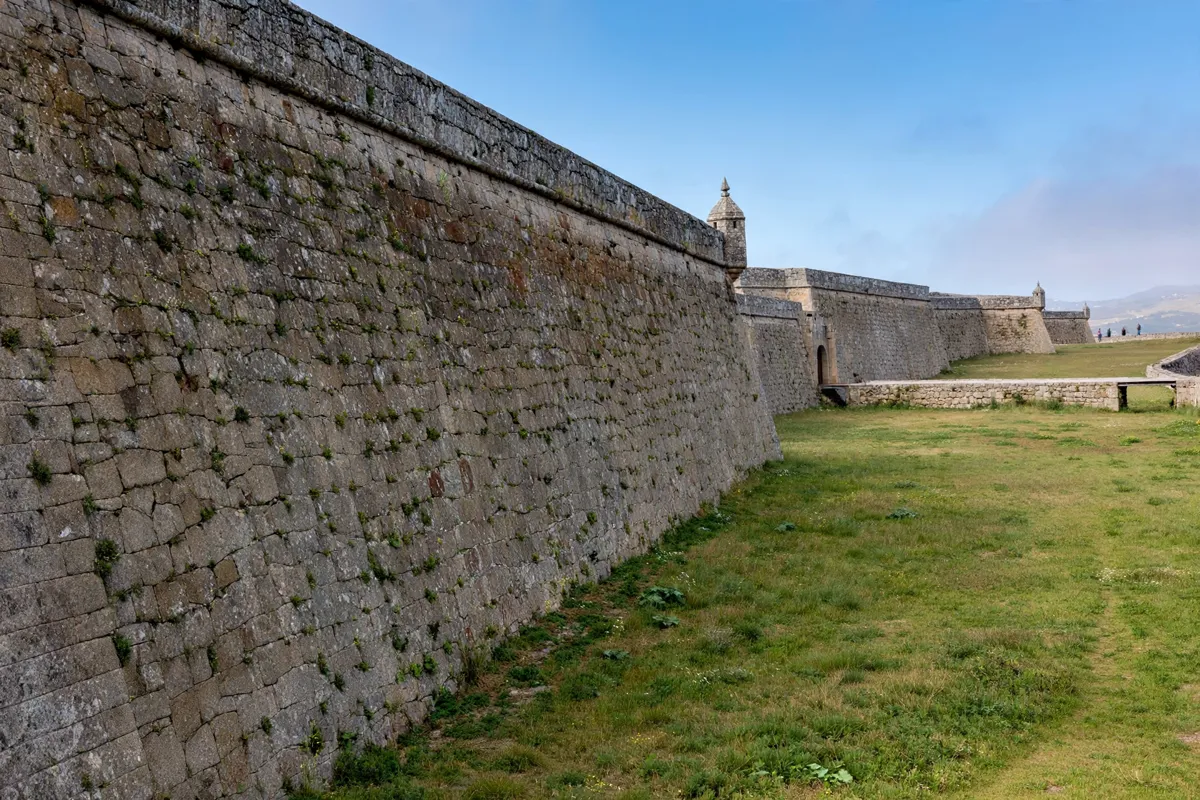
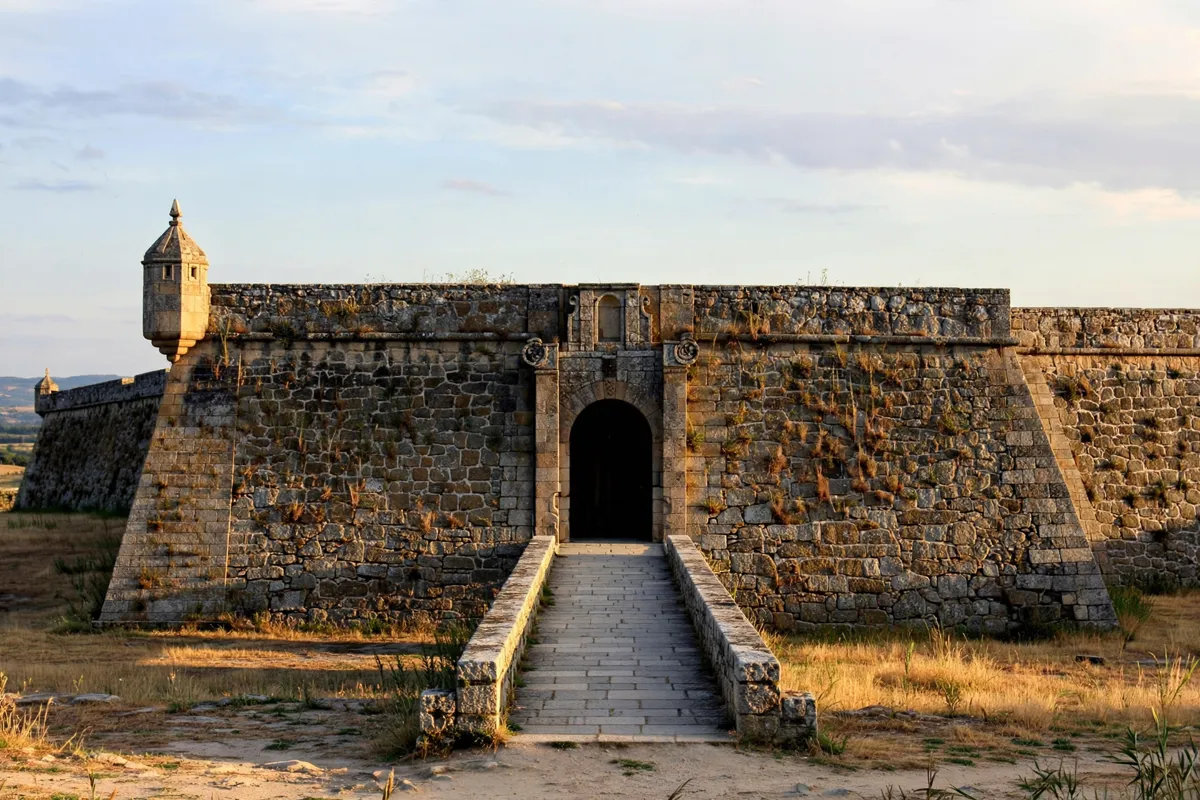
The granite fort has a star-shaped plan, two defensive lines and an internal moat. Its sloping walls and carefully worked stonework shape the exterior, while an armorial portal carries a construction inscription. Inside the fort is the Mannerist Chapel of Nossa Senhora das Brotas.
Classified as a National Monument in 1938, São Neutel forms part of a wider military heritage landscape. The national heritage database groups it with Chaves Castle, surviving military walls in the city and Forte de São Francisco. The guide to Forte de São Francisco covers another of Chaves’s defensive structures.
Access and visit planning
There is no regular public opening schedule, ticket price or general access rule to rely on for planning a visit. The Portuguese government defence-resources directorate describes the fort as part of the Ministry of National Defence’s historical-military heritage and has announced public access on a temporary basis. Check the official site before you go.
That means you should confirm whether access is available before setting out, rather than assuming the fort is open. The fort’s exterior and location can still help you understand its role in Chaves’s defences, but the chapel and interior features are within the fort.
Linking São Neutel with other sights
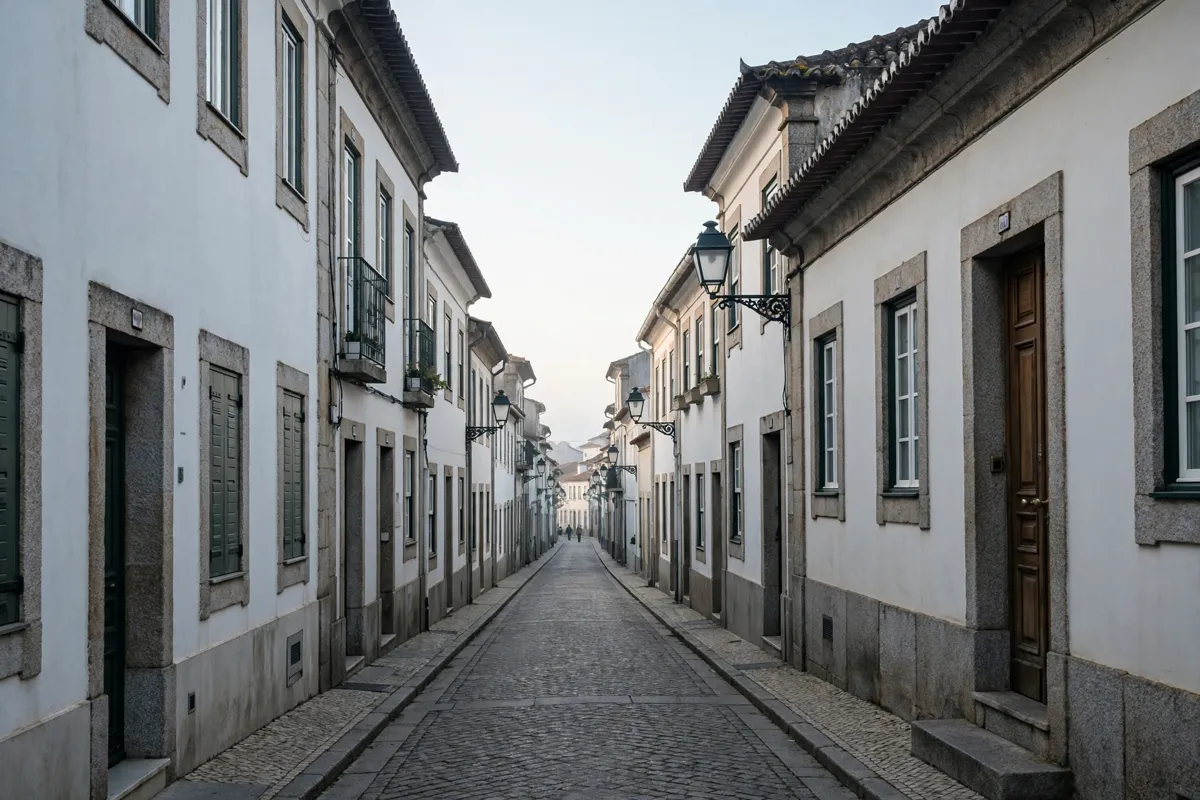
São Neutel fits naturally into a wider look at Chaves’s historic places, particularly alongside the city’s other defensive structures. If you’re planning a fuller day in town, this one-day Chaves itinerary brings the city’s sights into a single plan.
The fort’s position in Santa Maria Maior also makes it easy to frame the visit around Chaves itself: its military history is part of a broader urban heritage that includes the castle and surviving defensive walls.
FAQs
When was Forte de São Neutel built?
Construction began around 1664 during the Portuguese Restoration Wars. A government defence-resources directorate dates the construction period to 1664–1668, under General Andrade e Sousa.
What architectural features should you look for?
The fort’s notable features include its granite walls, star-shaped plan, internal moat and armorial portal. The Mannerist Chapel of Nossa Senhora das Brotas is inside the fort.
Can you visit Forte de São Neutel?
Public access has been announced on a temporary basis, so confirm current access before setting out.